
Starting your own clothing line is an exciting venture, but the journey from concept to tangible product often hits a roadblock: finding the right manufacturer. Many aspiring brands feel overwhelmed by the process, unsure where to begin or what to expect. I will guide you through the essential steps to connect with a clothing manufacturer and bring your vision to life.
To find a clothing manufacturer, first define your production needs (Cut & Sew or Private Label) and prepare a detailed technical package. Research potential partners via online platforms like Alibaba, regional directories, or targeted Google searches, then confirm MOQs and always order samples before committing to mass production.

As an OEM/ODM partner, I help countless brands navigate these waters. Understanding the process and what manufacturers look for is crucial for a smooth production journey. Let’s dive into the specifics of finding and working with a clothing manufacturer.
How do I reach out to a clothing manufacturer?
Reaching out to a clothing manufacturer effectively requires preparation and clarity. Many brands make the mistake of contacting factories without a clear plan, leading to delays or misunderstandings. I will outline the best approach.
To effectively reach out to a clothing manufacturer, first prepare a comprehensive technical package outlining your product’s specifications. Then, identify potential partners through online platforms or directories, and initiate contact with a clear, concise inquiry detailing your project and production needs.

From my experience, the single most critical step before contacting any manufacturer is preparing your technical package, or "tech pack." This document is your product’s blueprint. It must contain:
- Flat sketches: Detailed drawings of your garment.
- Precise measurements (graded): All dimensions for each size.
- Stitch types: Specifications for all seams and finishes.
- Color numbers (Pantone): Exact color codes for fabrics and trims.
- Fabric weight (grams per square meter): Essential for material consistency.
Without a tech pack, a manufacturer cannot provide an accurate quote or even understand your product. It minimizes guesswork and prevents costly errors down the line.
You’ll also need to decide on your production approach:
- Cut & Sew: The factory will create garments entirely from scratch based on your unique patterns and specifications. This offers maximum customization.
- Private Label/White Label: You select existing, pre-made designs from the factory’s catalog and simply add your own brand identity or labels. This is often faster and has lower MOQs.
Once your tech pack is ready and you know your production type, begin your search:
- Online Platforms: Alibaba is a popular choice for international factories. Filter for "certified suppliers" and "trade assurance" for added security.
- Regional Directories: Depending on your location or desired production country, explore databases like ASBX in Portugal or the UK Fashion Institute’s directories.
- Google Search: A straightforward search for " clothing manufacturer" or "custom clothing manufacturer" can yield results. For specialized niches like hunting apparel, try "hunting clothing manufacturer."
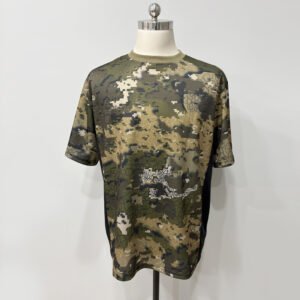
When you reach out, be professional. Introduce your brand, state whether you’re looking for Cut & Sew or Private Label, mention your estimated quantities (even a range is fine initially), and indicate that a tech pack is available.
How much does it cost to get a clothing manufacturer?
The cost of working with a clothing manufacturer can vary wildly, leaving many new brands guessing about their budget. Understanding the key cost drivers is essential for financial planning. I will explain the factors that influence manufacturing costs.
The cost to engage a clothing manufacturer primarily depends on the Minimum Order Quantity (MOQ), the complexity of your design, and the type of production (Cut & Sew vs. Private Label). Local manufacturers might accept small batches (around 50 pieces), while overseas factories typically require larger orders (500-1000+ pieces per design).

The main factor influencing your per-unit cost is the Minimum Order Quantity (MOQ). This is the smallest quantity of a product a factory is willing to produce.
- Local or boutique manufacturers might accept smaller batch orders, often with an MOQ of around 50 pieces per design. This is ideal for startups or brands testing new products, though the per-unit cost will be higher due to less economy of scale.
- Overseas factories, especially larger ones, generally require much higher MOQs, typically 500 to 1000+ pieces per design. While the initial investment is greater, the per-unit cost is significantly lower.
Beyond MOQ, several other elements contribute to the overall cost:
- Design Complexity: Simpler designs are cheaper to produce than intricate garments with multiple panels, special stitching, or unique features.
- Fabric and Materials: The type, quality, and origin of your chosen fabrics, trims, and notions (zippers, buttons, labels) directly impact cost.
- Labor Costs: These vary significantly by country and region.
- Sampling Costs: Before mass production, you’ll pay for prototypes and pre-production samples. These costs are separate and necessary to ensure your product is perfect.
- Shipping and Duties: For international production, factor in freight, customs duties, and import taxes.
Always request detailed quotes from multiple manufacturers, clearly specifying all your requirements from the tech pack, to get an accurate cost estimate.
How to start a hunting clothing brand?
Starting a hunting clothing brand requires more than just passion for the outdoors; it demands a deep understanding of specialized fabrics, functional design, and reliable manufacturing. I will guide you on the specific steps to launch your brand successfully.
To start a hunting clothing brand, focus on creating a detailed technical package for your specialized garments, then identify manufacturers experienced in durable, weather-resistant outdoor apparel. Always order and rigorously test samples to ensure quality, fit, and performance meet the demanding needs of hunters.

Building a hunting clothing brand means stepping into a niche that prioritizes durability, functionality, and performance in harsh environments. Here’s a tailored approach:
-
Define Your Niche & Product Line: Will you focus on specific types of hunting (e.g., archery, waterfowl, big game)? What unique features will your clothing offer (e.g., specialized camouflage, scent control, extreme weather protection)?
-
Develop Your Tech Packs: This is even more crucial for hunting apparel. Your tech pack must detail:
- Specialized Fabrics: Specify durable, often water-resistant or waterproof materials (e.g., Cordura, ripstop nylons, fleece types). Include any camouflage patterns with precise color codes.
- Construction Details: Reinforced stress points, specific pocket designs, ventilation systems, quiet fabric finishes, and robust seam types suited for outdoor use.
- Fit & Mobility: Graded measurements designed for layering and unrestricted movement during hunting activities.
-
Find Specialized Manufacturers: Not all clothing manufacturers can handle the technical requirements of hunting gear.
- Utilize Google Search specifically for "hunting apparel manufacturers," "outdoor technical clothing manufacturers," or "military-grade textile manufacturers."
- Look for factories with experience in performance outerwear, tactical gear, or waterproof/breathable laminates.
- On platforms like Alibaba, explicitly search for suppliers with relevant experience or certifications in outdoor/hunting wear.
-
Confirm MOQs and Order Samples:
- Discuss MOQs that align with your brand’s startup budget.
- Crucially, always order physical prototypes or pre-production samples. For hunting gear, testing goes beyond mere aesthetics:
- Test stitching and seam strength under stress.
- Evaluate fit and mobility in various hunting postures.
- Check fabric performance: Shrinkage, water repellency, breathability, and durability.
- Verify print quality for camouflage patterns under different lighting. Catching errors early is vital for technical performance gear.
By focusing on these specialized aspects, you can ensure your hunting clothing brand delivers on its promise of high-performance and reliability in the field.
Where is Sitka hunting clothing made?
Understanding where established brands manufacture their products can offer valuable insights into global supply chains. I will reveal the production locations for Sitka hunting clothing, a well-known brand in the outdoor industry.
Sitka hunting gear, while designed and headquartered in Bozeman, Montana, is primarily manufactured overseas. Its technical apparel and backpacks are produced by Tang Armour Garment Co., Ltd. in China, with additional production facilities located in Vietnam.

The example of Sitka hunting gear perfectly illustrates a common model in the apparel industry: design and headquarters in one country, with technical manufacturing taking place in specialized facilities abroad.
Sitka Gear’s design and operational headquarters are located in Bozeman, Montana, where they conceptualize their innovative hunting apparel and gear. However, like many brands requiring specialized technical production, their manufacturing is diversified globally. Their technical apparel and backpacks are produced overseas, notably by Tang Armour Garment Co., Ltd. in China, a company known for its expertise in performance textiles and outdoor gear. Additionally, some of Sitka’s production is carried out in Vietnam.
This multi-country manufacturing strategy allows brands to leverage specialized expertise, economies of scale, and efficient supply chains found in these regions, which are renowned for their advanced textile and garment production capabilities. For aspiring brands, Sitka’s approach highlights the practicality and prevalence of international manufacturing, especially for highly technical and specialized clothing.
Conclusion
Finding the right clothing manufacturer is a cornerstone of building a successful brand. It demands thorough preparation, an understanding of production types, and diligent communication. By preparing a detailed technical package, researching suitable partners, understanding MOQs, and rigorously testing samples, you can confidently navigate the manufacturing landscape. Whether you’re creating a general clothing line or a specialized brand like hunting apparel, these foundational steps will connect you with a reliable partner to transform your designs into high-quality, market-ready products.


